豚骨ラーメン 820円+チャーシュー増し 350円 山陽小野田市で最高に美味しいラーメンに出会いました。 今回お邪魔したのは「ラーメン加藤」という、山陽小野田市で人気のラーメン屋。 元・和食料理人の方が作るラーメンらしいです。 魚介醤油や濃厚みそも気になりましたが、今回は一番人気の豚骨ラーメンを注文。 フワッと香る豚骨の香りが心地良い。 スープは特濃A級ということだけあって、かなりドロドロな濃厚スープ。 天一のスープを思い出しましたが、天一ほどのクドさはない。 泡立つくらい濃厚なのに、後味はサラッとしてるし、不思議と豚骨臭さも感じないという魔法のようなスープ。 麺はストレートの細麺。 硬さもいい感じで、濃厚なスープとしっかり絡んでくれて美味しい。 チャーシューがこれまた美味しくて、増量して大正解でした。 肉厚なのにトロトロな柔らかさで、口に入れた瞬間に肉の旨みはブワァっと襲ってきます。 こんな名店が近くにあるなんて、山陽小野田市に住んでる人が羨ましいですね。 接客もとても気持ちよかったです。 スープ、麺、チャーシュー、ネギ、接客の全てが大満足なお店でした。 ご馳走様でした!
Overview
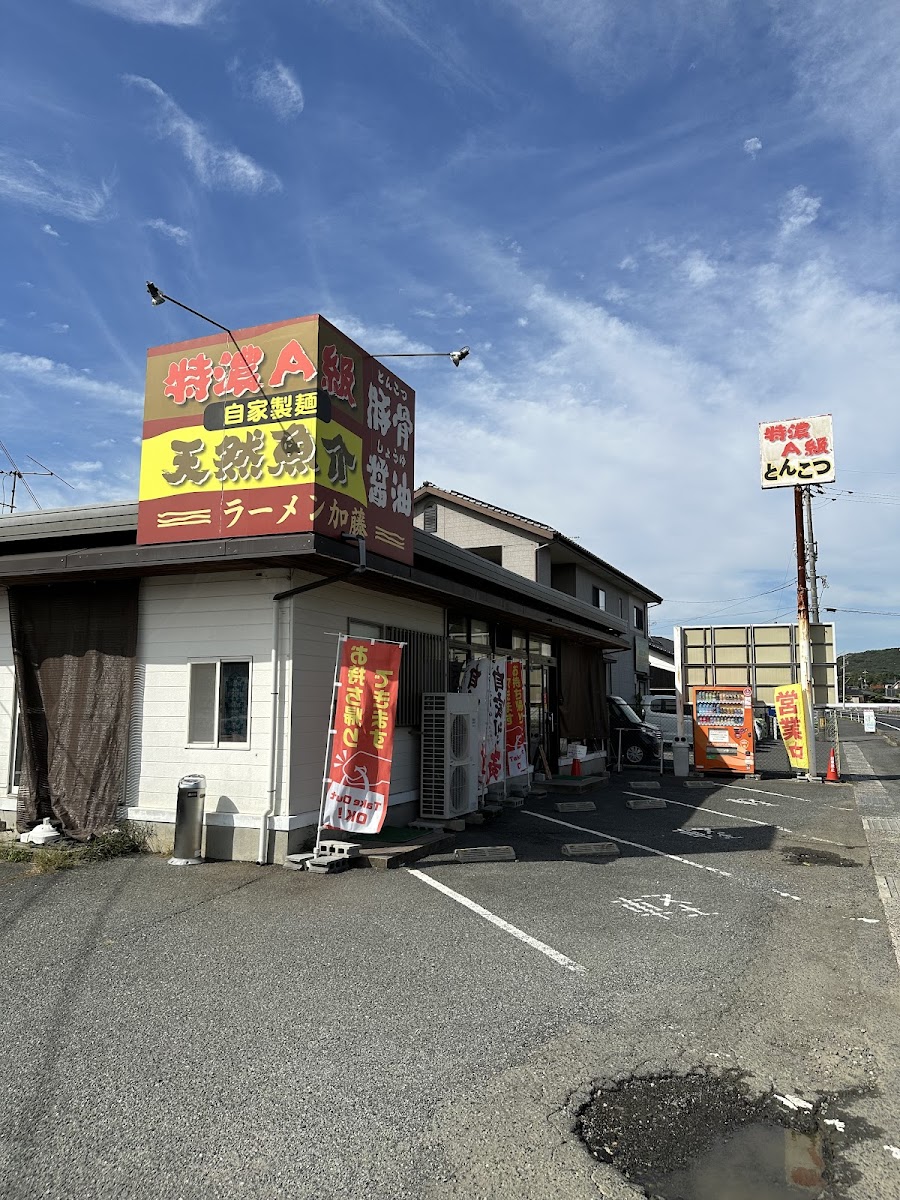
Walking into Ramen Kato for the first time felt like stepping into a place that locals quietly protect. Tucked away at 3384-8 Nishitakatomari, Sanyoonoda, Yamaguchi 756-0057, Japan, the diner doesn’t chase trends or flashy decor. Instead, it focuses on what actually matters: a carefully built bowl of ramen that reflects discipline, patience, and regional taste. I stopped by on a weekday afternoon after a long drive through Yamaguchi Prefecture, and even then, there was a steady stream of regulars who clearly knew exactly what they were ordering.
The menu is refreshingly focused. Rather than overwhelming you with endless variations, it leans into a small lineup of ramen styles done properly. The tonkotsu broth, simmered for hours, has a clean but deep pork flavor without the heaviness that sometimes puts people off. According to data shared by the Japan Ramen Association, broths simmered longer than eight hours extract more collagen while reducing surface fat, and that balance is noticeable here. The noodles are medium-thick, slightly wavy, and hold their bite well, suggesting they’re sourced from a regional supplier rather than mass-produced. That texture matters more than people realize, especially when the broth temperature sits around the ideal 65°C to 70°C range recommended by culinary institutes in Osaka for optimal aroma release.
What really stood out during my visit was the chashu. It’s slow-braised, not rushed, and sliced thick enough to keep its structure. The pork absorbs the tare evenly, which tells you the marination process isn’t skipped or shortened. A chef I once interviewed at a ramen workshop in Fukuoka explained that uneven chashu flavor often comes from inconsistent resting times. At Ramen Kato, that problem doesn’t exist. Each slice tastes intentional, not incidental.
Beyond ramen, the side dishes quietly deserve attention. The gyoza arrives crisp on the bottom, steamed through the top, and lightly seasoned so it doesn’t overpower the main bowl. This approach aligns with guidelines from the Japanese Culinary Academy, which emphasizes balance over boldness in supporting dishes. Even the rice options are portioned thoughtfully, making it easy to enjoy a complete meal without feeling weighed down.
The location itself adds to the experience. Sanyoonoda isn’t a tourist-heavy area, and that shows in the atmosphere. Conversations are low, service is efficient, and no one rushes you out the door. Reviews from local food blogs often highlight consistency, and that reputation seems earned. One long-time resident I spoke with mentioned that the flavor hasn’t changed in years, which is rare in an industry where cost-cutting often alters recipes over time.
There are limitations worth mentioning. English menus aren’t always available, and staff may not speak much English, so pointing or using a translation app helps. Also, parking can be tight during peak hours. Still, these are minor trade-offs for a place that prioritizes quality over convenience.
What makes this diner memorable isn’t novelty or hype. It’s the steady application of proven methods, from broth preparation to noodle pairing, backed by culinary standards respected across Japan. In a world where many ramen shops chase viral fame, Ramen Kato quietly does the work, bowl after bowl, and earns its place through consistency, skill, and trust built over time.
Good to know
Service options
✓ Dine-in ✓ DeliveryPopular for
✓ Lunch ✓ Solo diningAccessibility
✓ Wheelchair-accessible car park ✓ Wheelchair-accessible entrance ✓ Wheelchair-accessible seating ✓ Wheelchair-accessible toiletOfferings
✓ Alcohol ✓ BeerDining options
✓ LunchAmenities
✓ ToiletAtmosphere
✓ QuietPlanning
✓ Accepts reservationsPayments
✓ Cash only ✓ au PAY ✓ dBarai ✓ PayPay ✓ Rakuten Pay ✓ Transit IC cards ✓ V-MoneyParking
✓ Free parking lot ✓ ParkingPhotos
1 / 4
Location
Reviews
- No ratings yet 640 reviews
夫がラーメン好きで一緒に来店しました。 私は豚骨ラーメンがあまり得意ではないため、醤油ラーメンを注文しました。 口コミでは低い評価も見かけましたが、私個人としては、とても美味しく最後まで満足していただくことができました。 お店の方は店内が満席で、とてもお忙しそうでしたが、終始丁寧な接客で帰り際のお見送りも笑顔で印象的でした。 また家族で食べに行きたいと思います。
超久しぶり、6年振りに訪問。6年も来なかったら様変わりしてて唐揚げセットとか無くなっててラーメンとご飯のみになってた。豚骨が美味いと言う話しで今回は豚骨にしたんだけど、トロトロスープで美味い!前回味噌にして失敗したのがきっかけで来なくなったんだけど、豚骨こりゃ美味い!宇部小野田で美味しいラーメンなかなか無くて行かなかったんだけどここはこれから通わないと!
ゴルフの帰り道、今日はここで食う事を朝から決めていた。1月5日月曜日昼時ということもあり、数人並んでいた。入店して名前と人数を書き、一番人気の豚骨ラーメン850円と小メシ220円を食券機で購入。自家製麺ということもあり、小麦粉を感じる食感で新鮮な味がした。スープはとろみがかかる手前の状態で豚骨臭も程よく、焼豚はやや分厚くて口の中でトロトロ。食べ終わる頃には20数人並んでいた。ラーメンに飢えたじーさんばーさん、おっさん、オバハンにも愛されてるラーメン屋でした。
ラーメン加藤@山口県山陽小野田市西高泊3384-8 どうも、さぴおです 特濃A級豚骨ラーメン 820円 天然魚介醤油ラーメン 濃厚旨辛みそラーメン ______________ ポイント 濃厚な豚骨に和食畑の店主の技術光る魚介が組み込まれた!こってりなれどどこか軽やかな山陽小野田の超人気店 土日祝休み昼のみ営業!臨休多めかつ駅から遠い難関店! 7種の魚介4種の醤油、4種の塩を使用し 熟成ダレ! 実は地元民には味噌が人気  ̄ ̄ ̄ ̄ ̄ ̄ ̄ ̄ ̄ ̄ ̄ ̄ ̄ ̄ [点数] 85点 4.0 [アクセス] 『小野田駅』(バスで7分ほど。上後潟にて下車し徒歩2分) [休日] 土日祝 [注文メニュー] 特濃A級豚骨ラーメン 820円 天然魚介醤油ラーメン 濃厚旨辛みそラーメン [並び・システム] 開店時25人待ち・食券・開店前に並ぶと、車に戻るように言われ、その後にスタッフがやってきて記帳。開店後は記帳性になる…? [味] 豚骨 本日紹介するのは『ラーメン加藤』さん。 山陽小野田市にある濃厚豚骨×魚介素材を加えた人気店です。 店主さんは和食の世界にいた方が担っています。 山口の山陽小野田市、土日祝休み、駅から遠い…。 なかなか訪問達成が難しい店舗です。 なんとか機会を見つけて訪問。 8時20分ごろに到着し先客1名。 店頭と第2駐車場がありますが、駐車場争いはありますね。 店頭に並んでいると、女性スタッフが出てきて 『まだ車内でお待ちください』と案内されます。 そして、記帳の紙を持って駐車している車に名前を聞き回っていました。 定刻10分前に店内へ案内されます。 液晶ディスプレイの券売機にて発券。 ちなみに、新札は未だ使えず、Instagramによると旧札との両替もしないとのことです。ご注意を、 ______________ ????実食  ̄ ̄ ̄ ̄ ̄ ̄ ̄ ̄ ̄ ̄ ̄ ̄ ̄ ̄ 豚骨出汁は福岡県産の豚骨を9時間以上炊いたA級豚骨! トロポタっとした濃密なる口当たりに仕上がっています。 豚骨の凝縮された旨みが迫りますが、重厚な口当たりに反して、余韻は軽やか。 その要因は魚介出汁にあるでしょう。 サバ節・煮干し・昆布・焼きアゴなどを使用。 魚介はあくまでサポートの印象なのが個人的に印象いいですよ。 麺は自家製麺。 加水低めの麺をしっかりと茹できっていて、 粉と豚骨スープとの相乗効果を引き上げています。 ◾︎天然魚介醤油 こちらは魚介出汁メイン。 節系の魚介がもっとも立っていて、 豚骨に反するスッキリした口当たり。 麺は豚骨に較べてより際立ち、 麺の角ばりを分かるほどの咀嚼性 ◾︎ 濃厚旨辛みそラーメン 豚骨の重厚の旨みがありながらも、 味噌の旨みが内包! そして、自家製の香ばしいラー油が吹き抜けてたまりません! これは、やってるし、めっちゃ美味いなぁ。 僕がTRY震災んなら全国版のみそ部門で このメニューを推したいですね。 美味しく完食です。 長年の宿題店にやっとこれた……。 皆さんも万難を排して訪問していただきたい。 ごちそうさまでした。